Common Uses of Carbon Fiber in Drones You Should Know?

Time:2026-06-04 Author:Amelia
0%

Carbon fiber has transformed various industries, and the drone sector is no exception. In recent years, enthusiasts and professionals alike have explored what are common uses of carbon fiber in drones. The lightweight yet strong properties of carbon fiber make it an ideal material for various drone components.

Drones designed with carbon fiber exhibit enhanced performance and durability. The material significantly reduces overall weight, which allows for longer flight times. This can be crucial for applications like aerial photography and surveillance. Moreover, carbon fiber's resistance to corrosion improves the lifespan of a drone, making it a reliable investment for users who require longevity in their equipment.

However, the integration of carbon fiber is not without challenges. Manufacturing costs can be high, and the material requires specialized construction techniques. Many users must recognize these trade-offs when choosing carbon fiber for their drones. Despite these considerations, understanding what are common uses of carbon fiber in drones can help enthusiasts make informed decisions about their builds and applications.
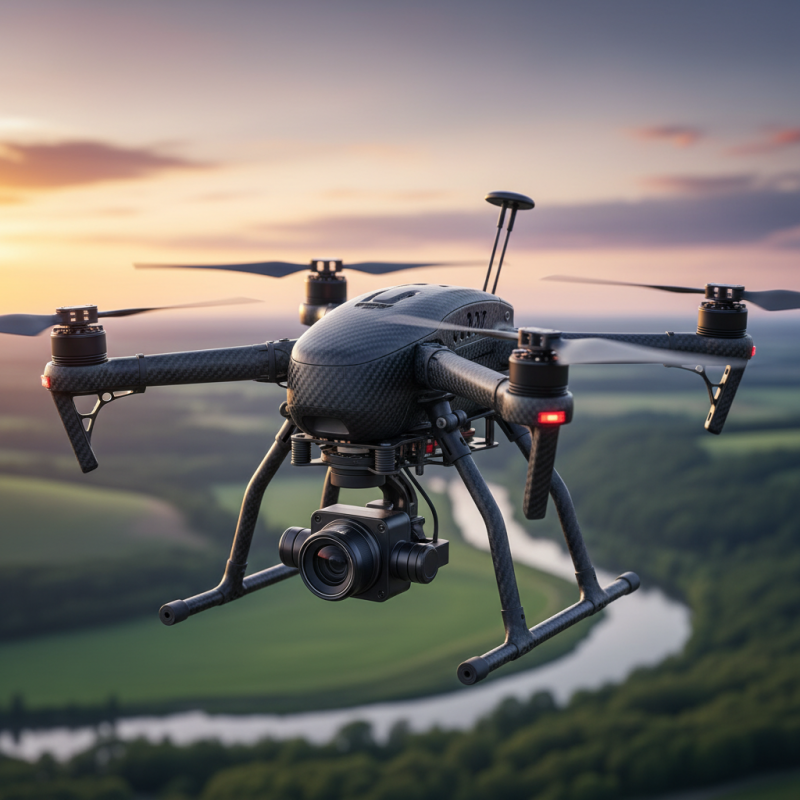
Common Uses of Carbon Fiber in Drones You Should Know?

Common Uses of Carbon Fiber in Drone Manufacturing

Carbon fiber has revolutionized drone manufacturing. Its lightweight yet durable characteristics make it a preferred material. According to industry reports, drones made from carbon fiber boast a weight reduction of up to 30% compared to traditional aluminum or plastic. This significant decrease in weight enhances flight efficiency and increases payload capacity.

In addition to improving flight performance, carbon fiber also offers superior resistance to environmental factors. This resilience is vital for drones operating in harsh conditions. For instance, a drone designed for agricultural surveillance needs to withstand rain and humidity. Carbon fiber meets this requirement effectively, providing longevity and reliability. However, the manufacturing process can be resource-intensive, raising concerns about sustainability.

The production of carbon fiber results in higher costs, potentially limiting its accessibility for smaller manufacturers. Despite these challenges, the overall benefits make it a worthy investment for professional-grade drones. Integrating carbon fiber may initially seem daunting for some companies, yet the long-term advantages often outweigh the initial hurdles. Balancing performance with environmental impact remains a topic for future discussion.

Impact of Carbon Fiber on Drone Weight Reduction and Performance

The use of carbon fiber in drones is changing the landscape of aerial technology. Carbon fiber is lighter than aluminum and much stronger than traditional plastics. This unique combination makes it an ideal material for drone construction. Research indicates that drones made with carbon fiber can achieve weight reductions of up to 40%. This significant cut in weight can directly enhance flight performance by improving maneuverability and increasing flight time.

Moreover, the reduction in weight allows drones to carry additional payloads. A recent industry report highlighted that drones built with carbon fiber can carry up to 20% more weight for similar power consumption. This performance boost is essential for commercial applications like delivery and surveying. However, the manufacturing process of carbon fiber can be costly and complex, often requiring specialized machinery and expertise. Therefore, while carbon fiber presents numerous advantages, challenges remain in scalability and production costs. This complexity sometimes deters smaller companies from fully embracing the technology.

In addition, although carbon fiber provides high durability, it isn't impervious. Issues like damage from impact in rough environments can occur. It is crucial for manufacturers to balance cost, weight, and durability. The evolving landscape of materials science may offer solutions to these challenges in the future.

Comparison of Carbon Fiber and Traditional Materials in Drone Design

Carbon fiber has emerged as a pivotal material in drone design, outpacing traditional materials like aluminum and plastic. A recent industry report indicates that carbon fiber can reduce weight by up to 50% without compromising strength. This significant reduction enhances flight efficiency and extends battery life, making drones more effective for various applications.

However, the comparison is not one-sided. While carbon fiber is lighter, it is also costlier. The manufacturing process for carbon fiber is intricate and time-consuming, potentially increasing production costs by 20-30%. Traditional materials like plastic and aluminum are generally more accessible and cheaper to produce. Although they may not provide the same performance advantages, they are easier to work with for many manufacturers.

The durability of carbon fiber is another crucial factor. It has a high resistance to fatigue and corrosion, outperforming many traditional materials in harsh environments. Nevertheless, its brittleness can be a concern. In certain situations, carbon fiber structures can be prone to cracking under impact, leading to potential structural failures. This factor must be carefully considered during the design phase to avoid unexpected downtimes.

Strength and Durability of Carbon Fiber in Drone Components

Carbon fiber has become a favored material in the drone industry due to its exceptional strength and durability. This lightweight composite material is often five times stronger than steel at a fraction of the weight. Such properties make it ideal for drone frames and components, contributing to the overall efficiency and flight performance. According to a report by MarketsandMarkets, the carbon fiber market is projected to reach $50.6 billion by 2025, indicating a growing trend in aerospace applications, including drones.

One of the key advantages of carbon fiber is its resistance to corrosion and fatigue. Unlike metals, carbon fiber does not weaken over time when exposed to environmental stresses. This resilience enhances the longevity of drone parts, reducing the frequency of replacements. Industry data shows that drones using carbon fiber components can experience up to 30% longer operational lifespans compared to those made of conventional materials. However, there are challenges. The fabrication process can be expensive and complex. Not all manufacturers have the expertise to work with this material effectively.

More research is needed to explore carbon fiber's potential in hybrid designs. Balancing cost and performance remains a significant hurdle. As suppliers advance their production techniques, ensuring consistent quality is crucial. Future studies will likely provide deeper insights into optimizing carbon fiber composites for diverse drone applications.

Common Uses of Carbon Fiber in Drones You Should Know?

Component Use Case Benefits Weight (grams)
Drone Frame Structural support for the drone High strength-to-weight ratio, impact resistant 150
Propeller Blades Propulsion and lift generation Enhanced efficiency, durable 30
Landing Gear Stabilization during landing Shock absorption, lightweight 50
Camera Mount Secure attachment for the camera Vibration dampening, stable 20
Battery Housing Protection for battery components Safe, lightweight, heat resistant 40

Cost Analysis of Carbon Fiber Integration in Drone Production

Carbon fiber has gained popularity in drone production due to its numerous advantages. Its high strength-to-weight ratio makes drones lighter and more efficient. However, integrating carbon fiber into drone design comes with significant costs. The manufacturing process is complex, often requiring specialized techniques and equipment. This can increase production expenses considerably.

Materials themselves can also be expensive. Compared to traditional materials like plastic or aluminum, carbon fiber can present a high initial investment. Small and medium-sized drone manufacturers may struggle with these costs. They must weigh the benefits of improved performance against financial constraints. Some companies look for alternatives, but carbon fiber's benefits can be hard to ignore.

Incorporating carbon fiber into drone production isn’t always straightforward. Challenges in the supply chain can influence pricing and availability. Producers often find themselves reassessing production methods to reduce costs. Continuous innovation is necessary to find cost-effective solutions. Many must ask if the benefits truly outweigh these challenges in the long run. Balancing quality and costs remains an ongoing dilemma for the industry.

FAQS

: What is carbon fiber's impact on drone weight?

: Carbon fiber can reduce drone weight by up to 40%, enhancing flight efficiency and performance.

How does carbon fiber improve payload capacity?

Drones made of carbon fiber can carry 20% more weight without increasing power consumption.

What are the benefits of using carbon fiber in harsh conditions?

Carbon fiber resists corrosion and fatigue, ensuring drones operate reliably in rain and humidity.

Are there challenges in using carbon fiber for drones?

Yes, the manufacturing process is complex and expensive, which may limit accessibility for smaller companies.

How does carbon fiber compare to traditional materials?

Carbon fiber is lighter than aluminum and stronger than plastics, making it a superior choice for drone construction.

Can carbon fiber components be damaged?

Yes, drones with carbon fiber can suffer impact damage in rough environments, affecting durability.

What is a concern regarding the sustainability of carbon fiber?

The resource-intensive production process raises concerns about the environmental impact of carbon fiber manufacturing.

How does carbon fiber affect operational lifespan?

Drones using carbon fiber can have up to 30% longer lifespans compared to those made with traditional materials.

Why might manufacturers hesitate to adopt carbon fiber?

Initial costs and complexity of production might deter some manufacturers from utilizing carbon fiber technology.

What does the future hold for carbon fiber in drone technology?

Ongoing research may optimize carbon fiber’s use and address cost and performance challenges in drone applications.

Conclusion

Carbon fiber has become a pivotal material in drone manufacturing, offering numerous advantages that enhance both performance and design. When exploring what are common uses of carbon fiber in drones, it's evident that it contributes significantly to weight reduction, which enhances flight efficiency and overall performance. This lightweight material also compares favorably against traditional materials, providing superior strength and durability in critical drone components.

Moreover, the integration of carbon fiber into drone production represents a balance between quality and cost, as while it may involve higher initial investment, the long-term benefits, including reduced maintenance and improved operational capabilities, often justify the expense. Overall, understanding the impact of carbon fiber is essential for those looking to innovate in drone technology.

Amelia

Amelia

Amelia is a seasoned marketing professional with a wealth of expertise in our company’s core offerings. With an unwavering passion for driving growth and innovation, she plays a pivotal role in shaping our marketing strategies and enhancing brand visibility. A key aspect of her responsibilities......