The demand for carbon fiber products is on the rise globally, drawing attention to their durability. Industry expert Dr. Emily Carter, a materials scientist, stated, "The longevity of carbon fiber often exceeds expectations, yet real-world testing is essential." This highlights an interesting paradox. While manufacturers promote the toughness of carbon fiber, actual performance can vary based on conditions and usage.
Many consumers wonder, "how durable are carbon fiber products?" The answer isn't straightforward. Carbon fiber is known for its exceptional strength-to-weight ratio. However, factors like temperature, pressure, and environmental conditions can influence its lifespan. Buyers should consider that not all carbon fiber products are created equal. Variations in quality impact durability significantly.
Investing in carbon fiber requires informed decisions. While the material shows promise for longevity, users must remain aware of potential limitations. To truly assess this material’s durability, practical experiences and industry feedback are invaluable. Exploring these insights will lead to a more nuanced understanding of carbon fiber's long-term performance in various applications.
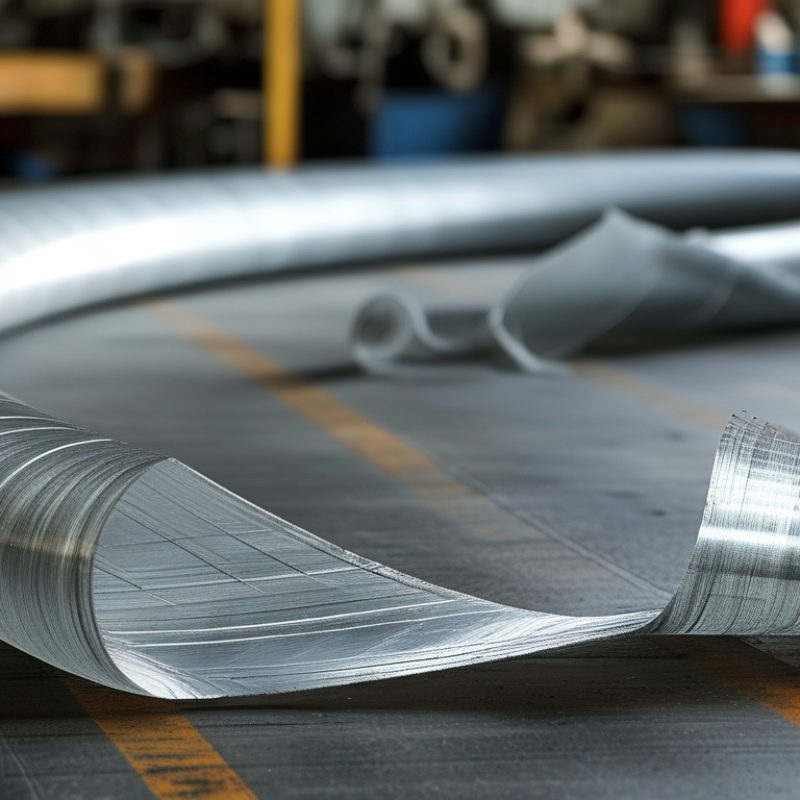
Carbon fiber is a composite material renowned for its unique properties. Its structure consists of thin strands of carbon atoms. These strands are woven together, creating a fabric that is both strong and lightweight. The carbon atoms are tightly bonded, providing high tensile strength. This makes carbon fiber products resistant to deformation under stress.
The material is also known for being resistant to corrosion. Unlike metals, carbon fiber does not rust or corrode, making it ideal for various applications. However, its durability can vary based on manufacturing processes. Inconsistent quality control can lead to weak spots. Buyers should consider the source and manufacturing standards of carbon fiber products. Some items may look appealing but lack the necessary strength.
Carbon fiber is not without flaws. It can be brittle, leading to sudden failures without warning. Repairing carbon fiber is often more complex than other materials. These factors require buyers to research thoroughly. Understanding the intricacies of carbon fiber helps make informed choices. Always weigh benefits against potential drawbacks.
The durability of carbon fiber products is influenced by several key factors. Environmental conditions play a significant role. Exposure to UV light can degrade carbon fiber, leading to loss of strength. A study by the American Composite Manufacturers Association indicates that proper UV protection can extend the lifespan of carbon fiber items significantly.
Mechanical stress is another critical factor. Carbon fiber can withstand considerable force, but repeated impacts may cause micro-cracks. Research shows that items used in high-stress environments, like racing or aerospace, require regular inspections. Neglecting this can lead to premature failure.
**Tips:** Always store carbon fiber items away from direct sunlight to minimize UV damage. Regularly inspect your gear for any signs of wear or damage. Taking these steps can enhance the longevity of your products.
Finally, manufacturing quality cannot be overlooked. Variations in the production process can lead to inconsistent durability. Even top-grade materials may fail if not properly processed. Understanding these elements helps buyers make informed decisions.
This chart illustrates various durability factors that affect the longevity of carbon fiber products. The factors include environmental resistance, impact resistance, fatigue resistance, weight, maintenance, and manufacturing processes. Each factor is rated on a scale of 1 to 10, highlighting the strengths and weaknesses in the durability of carbon fiber materials.
Carbon fiber materials stand out in durability compared to traditional options like steel or aluminum. According to a recent industry report, carbon fiber can be up to five times stronger than steel, yet it is significantly lighter. This unique strength-to-weight ratio makes carbon fiber ideal for various applications, from aerospace to sports equipment. It withstands high stress and extreme conditions, adding value to products that require reliability.
However, carbon fiber is not without its drawbacks. While it excels in tensile strength, it can be brittle under certain circumstances. A study published in the Journal of Composite Materials highlighted that carbon fiber may experience microfailure under abrupt impacts. This is crucial for buyers to consider, especially in high-performance contexts. Moreover, the manufacturing process can be costly and complex, leading to higher prices in comparison to metals.
In contrast, metals like aluminum offer better ductility and resistance to fatigue. They can handle repeated stress without cracking. However, they lack the lightweight advantage of carbon fiber. A report from the American Institute of Aeronautics and Astronautics indicates that while metals are more forgiving under impact, they can corrode over time. Buyers must weigh these factors carefully to ensure they choose the right material for their specific needs.
Carbon fiber products are renowned for their lightweight and strong attributes. However, their durability can vary significantly based on the environment they are exposed to. In high humidity, carbon fiber may absorb moisture. This can lead to structural weakening over time. It's crucial to conduct thorough tests to analyze how these products perform in different conditions.
Temperature fluctuations can also impact longevity. Extreme heat may cause resin breakdown, while freezing temperatures can make carbon fiber brittle. Field tests often reveal unexpected outcomes. For instance, some carbon fiber items may fail under stress, contrary to laboratory results. Such discrepancies highlight the importance of real-world testing.
Environmental factors like UV exposure and chemical exposure also influence durability. UV light can degrade resin, while certain chemicals can corrode the matrix. Buyers must understand that while carbon fiber can be incredibly durable, its performance isn't always predictable. Each application warrants specific testing to ensure reliability. Adapting to these challenges is key for manufacturers and users alike.
Carbon fiber products have been making waves across various industries due to their impressive durability and performance. In the aerospace sector, for example, carbon fiber components are crucial. They provide a lighter alternative to traditional materials, enhancing fuel efficiency. However, they are not completely impervious. Certain forms of impact can cause delamination, which may compromise strength.
In the automotive world, carbon fiber is often used in high-performance vehicles. These cars benefit from the material’s stiffness and low weight, promoting speed and handling. Yet, such advantages come at a cost. Repairing damaged carbon fiber can be more complex compared to metal. It is essential for car owners to understand this before investing in parts.
Tips: With unique advantages, carbon fiber demands careful handling. For everyday users, always check for signs of wear. Don’t ignore minor damages; they can escalate quickly. In aerospace and automotive applications, regular inspections are vital. Understanding how to maintain carbon fiber can extend its lifespan and improve performance.
| Application | Durability (Years) | Usage Environment | Weight Reduction (%) | Cost (Per Unit) |
|---|---|---|---|---|
| Aerospace Components | 30 | High Altitude, Varying Temperatures | 20 | $500 |
| Automotive Parts | 15 | Road Conditions, Vibration | 30 | $200 |
| Sporting Equipment | 10 | Outdoor Use, Impact | 25 | $150 |
| Medical Devices | 20 | Sterile Conditions | 15 | $100 |
| Consumer Electronics | 5 | Home/Office Use | 40 | $80 |
: Carbon fiber consists of thin strands of carbon atoms woven together. This structure contributes to its strength and lightweight nature.
Carbon fiber does not rust or corrode like metals, making it suitable for various applications. However, manufacturing quality can affect durability.
Carbon fiber can be brittle and may fail suddenly. Repairs can be more complex compared to traditional materials.
UV exposure can degrade carbon fiber, leading to strength loss. Proper UV protection is crucial for longevity.
Repeated impacts can cause micro-cracks in carbon fiber. Regular inspections are necessary in high-stress environments.
Store items away from sunlight and inspect them regularly for signs of damage. Early detection helps prevent issues.
Inconsistent production processes can lead to durability variations. Even high-quality materials may fail if not processed correctly.
Repairing carbon fiber can be complex compared to metals. Understanding potential repair challenges is essential before purchase.
Aerospace and automotive industries utilize carbon fiber due to its lightweight and strong properties but require careful handling.
Ignoring minor damages in carbon fiber items can lead to larger issues over time. Early intervention is key to maintaining performance.
The article "How Durable Are Carbon Fiber Products for Global Buyers?" delves into the unique composition and properties of carbon fiber, highlighting its lightweight yet strong characteristics. It examines various durability factors that influence the longevity of carbon fiber products, such as environmental conditions and maintenance practices. A comparative analysis with other materials underscores the exceptional resilience and performance of carbon fiber, making it a preferred choice in many applications.
Testing carbon fiber's durability in different environments is crucial to understanding its real-world applications, as demonstrated by various case studies. These examples illustrate how durable are carbon fiber products across numerous industries, showcasing their capability to withstand stress and wear over time. Overall, the article presents a comprehensive look at the durability of carbon fiber, making it an appealing material for global buyers seeking high-performance solutions.

RAXIS Fiber