Understanding what is prepreg carbon fiber and how does it work begins with its structure. Prepreg carbon fiber combines carbon filaments with a carefully measured resin system. The resin is partially cured, or “B-staged,” before manufacturing. This creates a flexible sheet that feels slightly tacky, not wet. Technicians cut each ply and place it over a mold in planned directions. A 0-degree layer carries lengthwise loads. Cross-ply layers resist twisting and splitting.
Professor Stephen W. Tsai, a respected composites researcher, has stated, “A composite is not simply a mixture; it is a designed material.” That idea explains why prepreg performance depends on more than carbon content. Fiber alignment, temperature, pressure, and curing time all matter. During curing, heat softens the resin and pressure removes trapped air. The resin then hardens around the fibers, forming a rigid laminate.
The result can be light and exceptionally stiff. It is not automatically perfect. Poor storage, inaccurate cutting, or uneven pressure can create voids and weak zones. Prepreg usually requires refrigerated storage, controlled thawing, and documented processing. Those details separate a reliable aerospace panel from a visually similar workshop part. Quality inspectors may check fiber orientation, thickness, and internal defects using ultrasonic testing.
This technology also demands restraint. Carbon fiber can fail suddenly when damaged, despite its impressive surface finish. Designers must consider impact, moisture, temperature, and repair limits. Prepreg is powerful, but it is not magic. Its real advantage comes from disciplined engineering, repeatable manufacturing, and honest inspection.
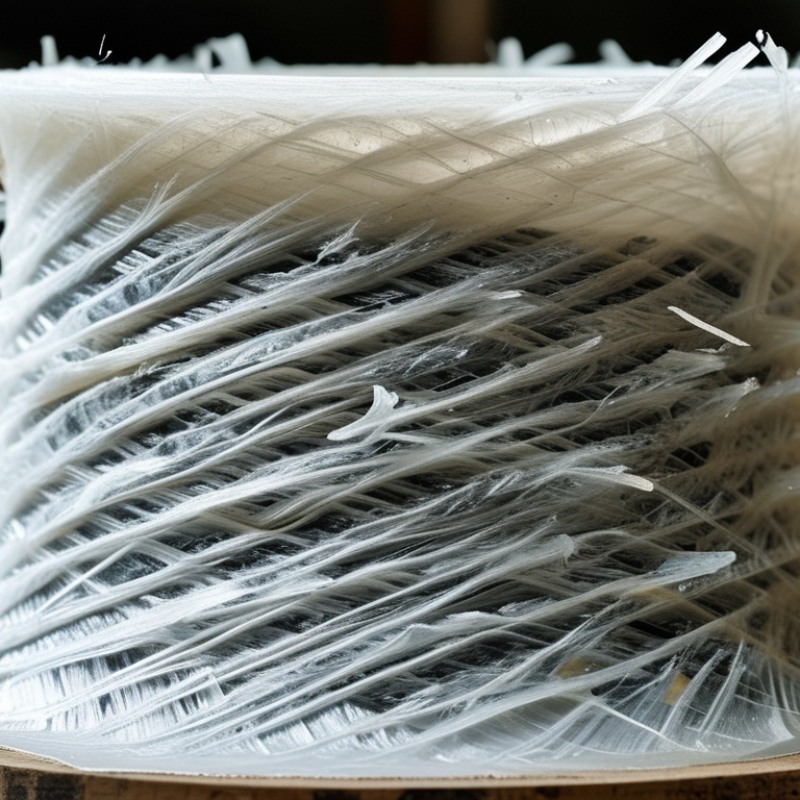
Prepreg carbon fiber is carbon reinforcement already impregnated with a carefully measured resin system. Unlike dry carbon fabric, it arrives ready for controlled layup. The carbon may appear as woven cloth or straight, unidirectional tapes. Its fibers provide most of the tensile strength, while the resin binds them together and transfers loads between layers.
The material also contains a partially cured matrix, often a thermoset resin, although some systems use thermoplastic polymers. The resin content is controlled by weight, which helps engineers predict thickness, strength, and void risk. Backing films protect the tacky surface during handling. Some prepregs include curing agents, tougheners, or small additives that adjust flexibility and heat resistance. Storage conditions matter. Many formulations require refrigeration or freezing to slow resin advancement.
During production, workers remove the backing film and place each ply at a specified angle. Clean gloves help prevent contamination. The layers may feel slightly sticky, which keeps them in position but can also trap wrinkles. A vacuum bag removes air, while heat and pressure activate the resin and consolidate the laminate. The exact cycle depends on resin chemistry, thickness, and tooling.
Prepreg is precise, but not effortless. Even a well-designed layup can fail through poor handling, expired material, or incomplete curing. I would not judge quality by a glossy surface alone. Internal inspection and documented process control remain essential.
| Data Dimension | Typical Information | What It Means in Practice |
|---|---|---|
| Basic definition | Carbon-fiber reinforcement pre-impregnated with a controlled amount of partially cured resin | The reinforcement and matrix are supplied together, reducing the need to mix and manually wet out resin during lay-up. |
| Primary reinforcement | Continuous carbon fibers, commonly arranged as unidirectional tape or woven fabric | Carbon fibers carry most of the tensile and compressive loads. Fiber direction strongly influences the final part’s strength and stiffness. |
| Matrix material | Most commonly a thermosetting epoxy resin; other resin systems are also available | The resin binds the fibers, transfers load between them, protects them from abrasion, and forms the cured shape. |
| Typical fiber volume fraction | Approximately 50–65% by volume after consolidation, depending on the material and process | A controlled fiber-to-resin ratio helps provide consistent mechanical properties and limits excess resin in the laminate. |
| Resin content | Often about 35–50% by volume, or approximately 25–40% by mass, depending on the construction | The resin amount affects drape, flow, void content, weight, and the final fiber volume fraction. |
| Common reinforcement forms | Unidirectional tape, biaxial or multiaxial fabric, and woven cloth | Unidirectional formats maximize properties along one axis, while woven and multiaxial formats support more complex load paths. |
| Typical areal weight | Approximately 100–600 g/m² for many carbon-fiber prepreg constructions | Areal weight describes the mass of reinforcement per unit area and helps determine ply thickness and laminate weight. |
| Uncured condition | Tacky, flexible, and formable before cure; the resin is partially reacted or chemically staged | The material can be cut, stacked, and shaped over a mold before heat and pressure complete the curing reaction. |
| Curing mechanism | Heat activates the resin’s chemical cross-linking reaction; pressure consolidates the laminate | During cure, resin flow fills gaps and bonds the plies. Vacuum and external pressure help reduce trapped air and improve consolidation. |
| Typical cure temperature | Common systems cure at approximately 80–180°C, with the exact cycle set by the resin formulation | The recommended temperature, heating rate, dwell time, and post-cure schedule must follow the material specification. |
| Processing methods | Vacuum-bag oven cure, heated press, compression molding, and autoclave processing | The selected process controls temperature, pressure, void content, dimensional accuracy, and production cost. |
| Storage requirement | Many epoxy prepregs are stored frozen, commonly near −18°C, to slow resin advancement | Storage temperature, thawing procedure, out-time, and shelf life vary by formulation and must be controlled for reliable processing. |
| Key performance benefits | High specific strength, high specific stiffness, consistent resin distribution, and repeatable laminate quality | Prepreg can produce lightweight, high-performance structures when the lay-up and cure cycle are properly controlled. |
| Main limitations | Temperature-controlled storage, limited out-time, higher material cost, and specialized processing requirements | Handling and production planning are more demanding than with many wet-layup materials, especially for large or complex components. |
Note: Values are representative industry ranges. Exact composition, storage conditions, and cure parameters depend on the specific prepreg formulation and construction.
It is carbon reinforcement already impregnated with partially cured resin. The material arrives as woven cloth or unidirectional tape. It is ready for controlled layering. Not quite effortless.
The resin binds carbon fibers together after curing. It transfers loads between individual layers. It also fills small gaps around the fibers. The fibers provide most of the tensile strength.
Fiber direction controls how the finished part carries loads. Zero-degree layers support lengthwise forces. Angled layers improve resistance to twisting. A careless angle can weaken the design.
Technicians remove backing film and place each ply on a mold. They remove wrinkles and trapped air with a roller or squeegee. A vacuum bag removes additional air. Heat and pressure activate the resin and harden the laminate.
Many formulations require refrigerated or frozen storage. Cold conditions slow the resin’s progress toward hardening. After thawing, usable working time becomes limited. Time records matter.
Controlled resin content helps predict thickness and strength. It can reduce voids and improve surface quality. Engineers can tailor stiffness for specific load paths. The result may be strong and lightweight.
Dust, moisture, wrinkles, and trapped air can create weak areas. Expired material may cure poorly. An incorrect temperature cycle can leave incomplete bonding. A glossy surface proves very little.
It is used in aircraft panels, racing components, and bicycle frames. Other applications include robotic arms and specialized medical equipment. It suits parts needing low weight and controlled stiffness. Not every project needs it.
Storage, tracking, vacuum equipment, and controlled heating increase project costs. Some parts need an oven or pressure vessel. Energy use can be substantial. Recycling cured material remains difficult.
Inspectors can check the surface, dimensions, and documented process records. Suitable non-destructive testing may reveal hidden porosity or weak bonding. Repairs can require removing damaged material and adding new plies. Visual checks alone are not enough.
What is prepreg carbon fiber and how does it work? Prepreg carbon fiber is a composite material made from strong carbon fiber fabrics or tapes that have been evenly impregnated with a partially cured resin. The resin holds the fibers in place, controls the final fiber-to-resin ratio, and allows the material to be shaped before complete curing. Because the resin is not fully hardened, prepreg must be stored under controlled, usually low-temperature conditions to slow its curing reaction. During preparation, sheets are measured, cut, and arranged in carefully planned layers according to the required strength and load direction.
After layup, the material is formed over a mold and subjected to heat and pressure. These conditions activate the resin, remove trapped air, and bond the layers into a rigid composite part. Prepreg carbon fiber offers excellent strength, stiffness, low weight, and consistent quality, making it useful in transportation, sporting equipment, industrial structures, and advanced engineering. However, it can be more expensive, require specialized storage and equipment, and generate waste during cutting.

 RAXIS Fiber