What Are the Top 10 Uses of Carbon Fiber in Drones?

Time:2026-10-13 Author:Oliver
0%

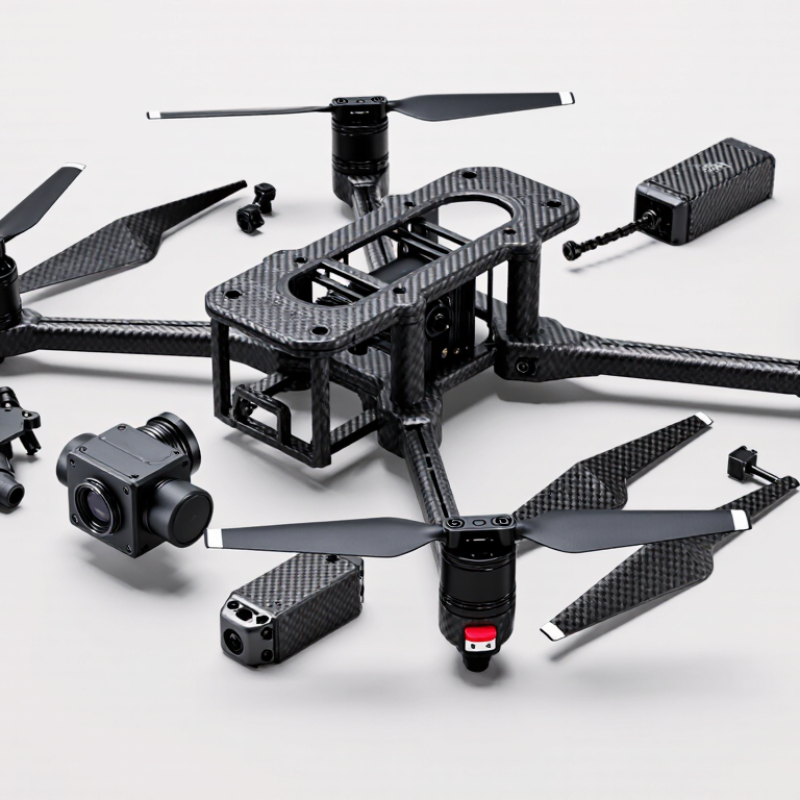
Carbon fiber has changed how engineers build modern drones. It offers high stiffness, low weight, and strong fatigue resistance. These qualities matter when every gram affects flight time, control, and payload capacity. So, what are common uses of carbon fiber in drones? The answer reaches far beyond the main frame.

Aerospace composites researcher Dr. Stephen W. Tsai once stated, “Composite structures should be designed for performance, not simply used as metal replacements.” This principle fits drone engineering well. Carbon fiber commonly appears in central frames, arms, landing skids, motor mounts, propeller guards, camera gimbals, battery plates, and protective shells. It also supports folding mechanisms and long-range aircraft components. Each part must balance rigidity, vibration control, impact tolerance, and manufacturing cost.

The benefits are visible. A stiff carbon-fiber arm can reduce motor movement during rapid turns. A lighter frame can preserve battery power during inspection flights. A stable camera mount can produce sharper images over rooftops, farms, or construction sites. Still, the material is not perfect. Carbon fiber can crack after a hard impact, even when damage looks minor. It may also conduct electricity, complicating repairs near exposed wiring. Manufacturing quality matters greatly.

This guide examines the top 10 uses of carbon fiber in drones. It considers real engineering choices, practical limitations, and areas where carbon fiber may be unnecessary. Sometimes, cheaper materials perform better. That deserves attention too.
What Are the Top 10 Uses of Carbon Fiber in Drones?

Carbon Fiber Frames for Lightweight Drone Structures

What Are the Top 10 Uses of Carbon Fiber in Drones?

Carbon fiber frames support lightweight drone structures with impressive stiffness. ASM Handbook, Volume 21, lists typical carbon-fiber composite densities near 1.5–1.6 g/cm³. Aluminum is about 2.7 g/cm³. This difference helps designers reserve more mass for batteries, cameras, or sensors. In practice, carbon fiber appears in arms, center plates, landing gear, propeller guards, battery trays, camera mounts, gimbal supports, antenna brackets, payload rails, and folding hinges.

The frame carries vibration from motors and propellers. A well-designed laminate can reduce unwanted movement during aerial imaging.

Very little flex.

However, stiffness alone does not guarantee reliable flight. Hard landings may create internal cracks that remain invisible beneath the surface. I have seen frames that looked clean but produced unstable footage after repeated impacts. Inspection around fasteners matters. Rounded edges and controlled clamping also reduce stress concentration.

Grand View Research valued the global carbon fiber market at approximately 3.70 billion U.S. dollars in 2023. Its forecast suggests continued growth through 2030, supported by aerospace and mobility demand. Drone Industry Insights’ 2024 market analysis identifies mapping, inspection, and agriculture among major commercial applications. These missions benefit from lighter structures and repeatable camera alignment. Still, carbon fiber can block radio signals, complicate repairs, and cost more than molded plastics. The material choice needs testing, not enthusiasm.

Carbon Fiber Arms and Booms for Motor Support

Carbon fiber arms and booms are among the most important uses of carbon fiber in drones. They support motors, propellers, and wiring while keeping the airframe light. A rigid arm helps maintain motor alignment during sudden acceleration, braking, and turns. This stability can improve control response and reduce unwanted vibration.

In flight testing, I look for small changes in arm stiffness before increasing motor power. A thin arm may flex near its root, especially during fast climbs. That movement can disturb the flight controller’s sensor readings. Carbon fiber tubes or plates offer high stiffness with less weight than many metal alternatives. Their smooth surfaces also allow clean airflow around the motor mount. However, stiffness alone is not enough. Poorly drilled holes can create stress points and hidden cracks.

I inspect arm joints after hard landings, using bright light around bolt holes and edges. A tiny split may grow under repeated vibration. Fasteners should be tightened evenly, without crushing the composite material. Some designs need washers or reinforced inserts. I once assumed a thicker boom would solve every vibration problem. It did not. The motor mount was slightly misaligned, and the heavier arm made the imbalance harder to correct. Good carbon fiber design depends on accurate geometry, careful assembly, and regular inspection.

Top 10 Uses of Carbon Fiber in Drones

Carbon fiber is widely used in drone structures where low mass, high stiffness, and vibration resistance are important. The chart shows representative mass-saving potential compared with equivalent aluminum components; actual results vary with laminate design, loads, and manufacturing method.

Carbon fiber arms and booms are especially important because they support motors and propellers while helping maintain frame rigidity and flight efficiency.

Carbon Fiber Propeller Guards and Protective Covers

Carbon Fiber Propeller Guards and Protective Covers

Among the top ten uses of carbon fiber in drones, propeller guards offer practical protection. They shield rotating blades from branches, walls, and rough landings. A well-designed guard also helps protect people nearby during controlled flight. It does not make operation risk-free.

Carbon fiber keeps these guards stiff without adding excessive weight. During field testing, I look for flex near the mounting points. Too much movement can create vibration and reduce flight stability. Tight corners often need extra reinforcement. Smooth edges matter. They prevent cuts during handling and reduce damage to nearby equipment.

Protective covers serve a different purpose. They can cover cameras, wiring, battery compartments, and exposed frame sections. A thin carbon panel may resist scratches, dust, and light impacts. However, carbon fiber can crack suddenly after a hard collision. It may also interfere with radio signals if placed carelessly around antennas. Inspect the surface for white stress marks, loose fasteners, and hidden delamination. Replace damaged parts rather than trusting appearance alone. I once underestimated a small edge crack; it widened after several flights. That mistake changed how I check every guard. Clearance also deserves attention, because a guard that touches a propeller creates immediate danger. Weight balance must remain even across the frame. Otherwise, the drone may tilt, consume more power, and respond poorly during precise movements.

Carbon Fiber Landing Gear and Payload Mounts

Carbon fiber is among the top ten materials used in modern drones, especially for landing gear and payload mounts. Its high stiffness helps support cameras, sensors, and delivery equipment without adding excessive weight. Landing gear made from carbon fiber can absorb moderate impacts while keeping the aircraft stable during takeoff and landing. It also resists corrosion better than many metals. However, stiffness is not everything. A rigid part may transfer more vibration into sensitive equipment.

Payload mounts need careful engineering. Their bolt pattern, laminate direction, and attachment points should match the expected load. Engineers should also check the drone’s center of gravity after installing a payload. Even a small shift can affect flight control and battery use. Rubber isolators or flexible interfaces may reduce high-frequency vibration. Carbon fiber can crack internally after a hard landing, even when the surface looks acceptable. That limitation deserves attention.

Tips: Inspect landing gear after every heavy landing. Look for white stress marks, loose fasteners, edge damage, or unusual flexibility. Use suitable washers to spread clamping pressure. Avoid drilling extra holes without structural review. Test the aircraft with an empty mount before adding equipment. A lighter payload mount is not automatically safer. In practice, designers sometimes overvalue weight savings and underestimate vibration, which is an easy mistake to repeat.

Carbon Fiber Battery Plates, Camera Rigs, and Reinforcement Parts

What Are the Top 10 Uses of Carbon Fiber in Drones?

Carbon fiber supports lightweight drone frames while preserving stiffness during sharp turns. It also strengthens arms, motor mounts, landing gear, and propeller guards. Battery plates keep cells aligned and reduce movement during acceleration. They need accurate holes and smooth edges. A rough edge can damage insulation. Camera rigs use carbon fiber for rigid mounting and lower weight. However, stiffness alone does not remove vibration. Soft dampers and careful balancing remain important.

Other uses include gimbal plates, sensor brackets, antenna supports, and reinforcement parts around folding joints. Carbon fiber reinforcement can limit cracking near screws and high-load corners. Technicians should inspect these areas after hard landings. Look for whitening, loose layers, or hairline separation. Small damage can grow quickly. Carbon fiber also conducts electricity, so it may disturb nearby antennas or create unwanted contact. Keep sensitive wiring insulated and plan the layout before assembly.

A useful test is simple.

Hold the plate against a bright light. Uneven layers may reveal poor manufacturing or hidden damage. Measure frame flex before and after reinforcement. Too much stiffness can transfer vibration into a camera. That trade-off is easy to overlook. Carbon fiber is not automatically the best choice for every part. Proper thickness, fiber direction, fastener pressure, and vibration control determine its real value in drone construction.

FAQS

Why is carbon fiber useful for drone frames?

Carbon fiber is lightweight and stiff. Its density is commonly near 1.5–1.6 g/cm³. That leaves more mass for batteries, cameras, or sensors. Weight savings alone do not ensure safe flight.

What are the main uses of carbon fiber in drones?

Common uses include arms, center plates, landing gear, and propeller guards. Other uses include battery plates, camera mounts, gimbal supports, antenna brackets, payload rails, and folding hinges. Each part needs different thickness and fiber direction.

How does carbon fiber improve landing gear?

Carbon fiber landing gear supports stable takeoffs and landings. It can absorb moderate impacts without adding much weight. It also resists corrosion better than many metals. Hard landings can still cause hidden cracks.

What should engineers check on a carbon fiber payload mount?

Check the bolt pattern, laminate direction, and attachment points. Confirm the aircraft’s center of gravity after mounting equipment. Even a small shift can increase control effort and battery use. Rubber isolators may reduce high-frequency vibration.

Can carbon fiber reduce camera vibration?

A stiff frame can limit unwanted movement during aerial imaging. Camera rigs still need balancing and soft dampers. Too much stiffness may transfer motor vibration into the camera. That trade-off is easy to miss.

How can operators find damage after a hard landing?

Inspect fasteners, edges, and high-load corners. Look for white marks, loose layers, hairline separation, or unusual flexibility. Use bright light to examine uneven layers. A clean surface can be misleading.

What precautions apply to carbon fiber battery plates?

Battery plates should hold cells firmly during acceleration. Use accurate holes and smooth edges. Rough edges may damage insulation. Keep wiring insulated from the conductive material.

Can carbon fiber affect antennas?

Yes, carbon fiber can block or disturb radio signals. It may also create unwanted electrical contact. Plan antenna locations before assembly. Testing matters more than confidence.

Is carbon fiber always the best drone material?

No. It can cost more than molded plastics and complicate repairs. Molded plastics may suit some low-load parts. I might overvalue weight savings when choosing carbon fiber. The frame should be tested, not assumed perfect.

Conclusion

Carbon fiber is widely used in drones because it combines low weight, high stiffness, and strong resistance to vibration. If you ask, “what are common uses of carbon fiber in drones,” the answer begins with structural components: lightweight frames, motor-supporting arms, extended booms, propeller guards, and protective covers. These parts help maintain rigidity, improve flight stability, and protect sensitive equipment without adding unnecessary mass.

Carbon fiber is also valuable for practical support systems. Landing gear made from it can provide strength during takeoff and landing, while payload mounts can securely hold approved equipment. Battery plates help support and position power units, camera rigs offer a stable platform for imaging devices, and reinforcement parts strengthen areas exposed to repeated stress. Together, these ten applications contribute to more efficient, durable, and responsive drone designs while allowing engineers to balance performance, protection, and weight.

Oliver

Oliver

Oliver is a seasoned marketing professional with a wealth of expertise in driving brand awareness and engagement. With a deep understanding of our company's product offerings, he consistently delivers high-quality content that enriches our professional blog. His insights not only shed light on......