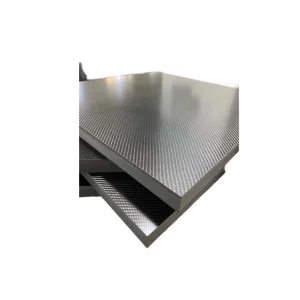
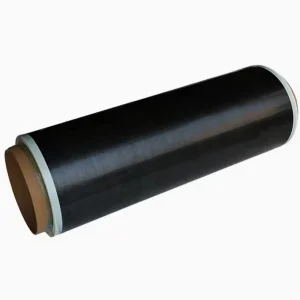
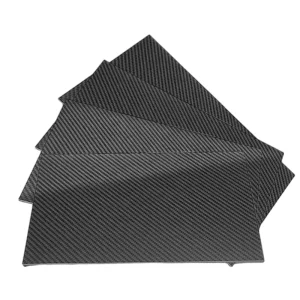
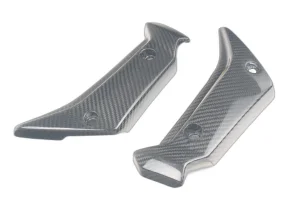
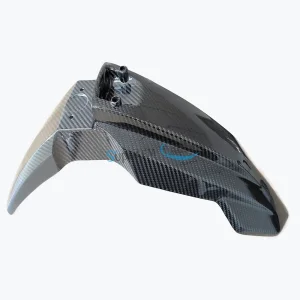
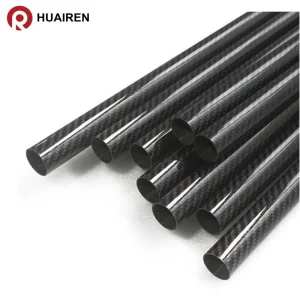
Explore our specialized carbon fiber composites, high-conductive prepregs, and structural parts engineered to build high-efficiency thermal exchangers.
Traditional heat exchangers rely on metallic alloys such as copper, stainless steel, and titanium. However, when operating under extreme parameters—such as highly acidic environments, deep-sea exploration, aviation weight limits, and high-frequency electronic cooling—metals present inevitable design bottlenecks. Corrosion, weight constraints, and thermal expansion failure points limit their service lifespan.
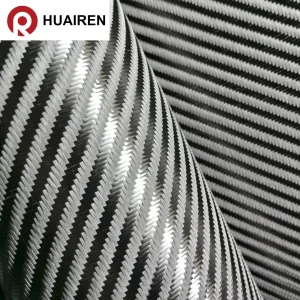
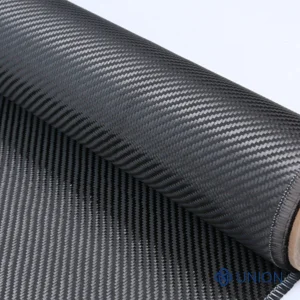
Our Carbon Fiber Heat Exchanger solutions offer an exceptional alternative. By weaving carbon fibers with exceptionally high longitudinal thermal conductivity and embedding them in customized polymer or carbonaceous matrices, we create structural parts that easily bypass these limitations. These lightweight heat exchangers offer dynamic fluid flow benefits, lower pressure drops, and zero galvanic corrosion.
Under the hood of advanced Carbon Fiber Heat Exchangers: Pitch-based vs. PAN-based fibers, anisotropic thermal conductivity, and matrix compatibility.
Unlike metals, which are isotropic and conduct heat equally in all directions, carbon fiber composite elements are highly anisotropic. Heat flows primarily along the alignment axis of the graphitic crystallites. In carbon fiber heat exchanger cores, we leverage this characteristic by precision-engineering the fiber orientation (using custom CNC winding, automated fiber placement, or unidirectional prepregs) to route heat directly from the hot fluid channels to the coolant paths.
Additionally, selecting the correct matrix binder is critical. For operating temperatures below 180°C, high-performance epoxy matrices provide excellent mechanical support. For elevated operating ranges (up to 350°C), thermoplastic resins like PEEK (Polyether ether ketone) or PPS (Polyphenylene sulfide) are utilized to guarantee chemical durability and thermal endurance. For ultra-high temperature applications, RAXis works alongside technical institutions to engineer Carbon-Carbon (C/C) composite cores that withstand temperatures exceeding 1000°C in inert atmospheres.
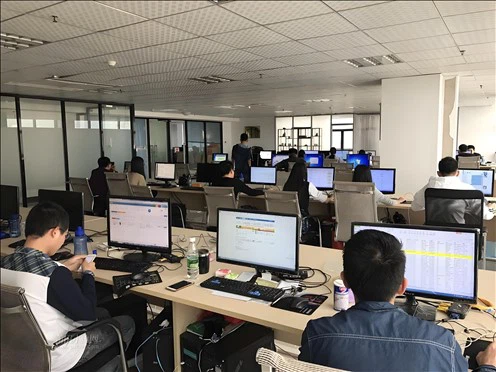
Guangzhou RAXis Fiber Co., Ltd. is a professional manufacturer specializing in carbon fiber sheets, tubes, and custom composite products, delivering lightweight and high-strength solutions for global industries. Based in Guangzhou, China, we integrate research, development, production, and sales to provide advanced carbon fiber materials tailored to diverse application needs.
Our product portfolio includes carbon fiber sheets, tubes, plates, CNC-machined parts, and customized composite components widely used in aerospace, automotive, drones, sports equipment, and industrial structures. With a focus on precision engineering and material innovation, we ensure each product offers excellent strength-to-weight ratio, corrosion resistance, and long-term durability.
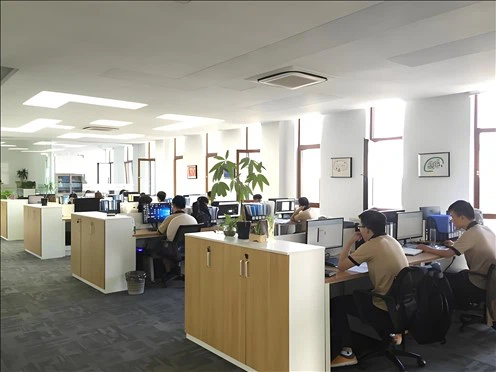
Equipped with modern production facilities and experienced technical teams, RAXis Fiber maintains strict quality control throughout the entire manufacturing process, from raw material selection to final inspection. We also provide flexible OEM and ODM services, supporting clients with custom designs, rapid prototyping, and scalable production.
Driven by continuous innovation and customer-oriented service, we are committed to delivering reliable products, competitive pricing, and efficient lead times. Guangzhou RAXis Fiber Co., Ltd. strives to be a trusted partner in providing lightweight composite solutions that enhance performance and efficiency across multiple industries worldwide.
How our custom composite components and high-performance carbon fiber matrices serve core global sectors.
Electric vehicles require lightweight heat exchangers and cooling plates to maintain optimal battery temperature profiles without adding to vehicle curb weight. Our custom CNC-machined carbon fiber plates and sheets provide high structural protection and thermal dissipation paths.
Chemical plants face severe corrosion issues in metal tubes exposed to acids or organic solvents. Carbon fiber heat exchanger tubes offer complete chemical immunity, eliminating plant shutdown schedules caused by leakage and corrosion failure.
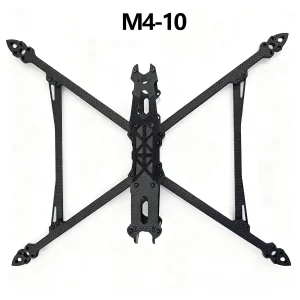
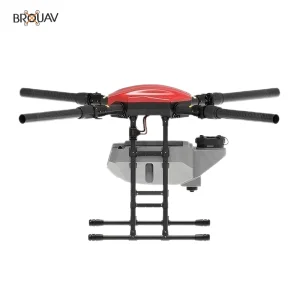
With payload limits dictating flight ranges, weight reduction in drone cooling frames and avionics radiators is critical. Integrating lightweight prepreg layups and high-stability sheets helps aerospace designers minimize thermal system weight.
Aligning with global sustainable industrial agendas and advancing the frontier of composite thermal management.
The field of heat transfer composites is moving rapidly towards higher sustainability, automation, and nanomaterial integration. At RAXis Fiber, our engineering roadmap for carbon fiber thermal products focuses on three vital developments:
Our operations comply with the IATF 16949 Certificate, representing the highest tier of automotive and precision industrial quality management. This certification ensures that every batch of prepreg, CNC machined part, plate, and tube meets rigorous tolerance and mechanical consistency benchmarks.
We provide comprehensive support for international distribution networks, ensuring hassle-free Customs clearances and compliance with regional chemical and engineering standards. Whether your engineering team requires material test reports, stress analysis data under thermal load, or high-precision 5-axis prototype profiling, RAXis is equipped to supply verified raw composite datasets.
Expert answers on thermal mechanics, engineering capabilities, and production limits of carbon fiber thermal components.
Browse our selection of agricultural drone frame structures, high-precision machining parts, and carbon fiber structural components.
 RAXIS Fiber