The global energy transition demands larger, more efficient wind turbines. As blade lengths exceed 100 meters, traditional fiberglass reaches its physical limits due to weight and gravitational deflection. Carbon fiber wind turbine blades represent the ultimate solution for the next generation of multi-megawatt offshore and onshore wind farms.
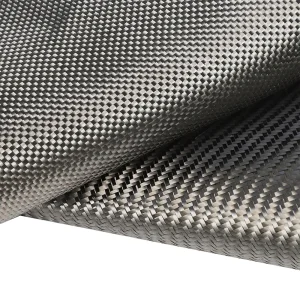
By leveraging the superior stiffness-to-weight ratio of carbon fiber spar caps, manufacturers can reduce total blade mass by up to 25%. This mass reduction ripples through the entire system: lighter blades require less robust hubs, smaller nacelles, and more cost-effective towers, significantly lowering the Levelized Cost of Energy (LCOE).
Our solutions integrate advanced infusion resins with high-modulus carbon to ensure aeroelastic stability, preventing "blade strike" on the tower even under extreme storm conditions. We provide the structural backbone for a sustainable future.
Weight Reduction vs. Fiberglass
Countries Exported To
Quality Standard Certified
Composite Engineering Expertise
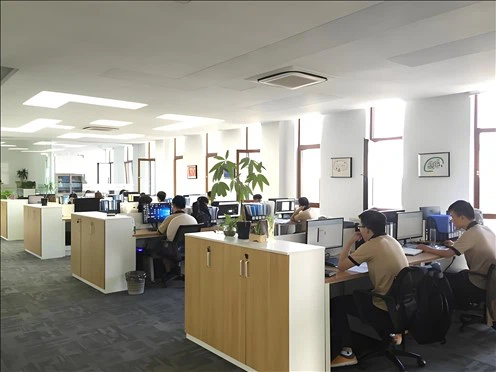
Guangzhou RAXis Fiber Co., Ltd. is a professional manufacturer specializing in carbon fiber sheets, tubes, and custom composite products, delivering lightweight and high-strength solutions for global industries. Based in Guangzhou, China, we integrate research, development, production, and sales to provide advanced carbon fiber materials tailored to diverse application needs.
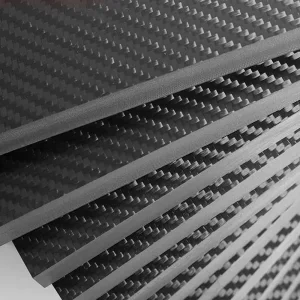
Our product portfolio includes carbon fiber sheets, tubes, plates, CNC-machined parts, and customized composite components widely used in aerospace, automotive, drones, sports equipment, and industrial structures. With a focus on precision engineering and material innovation, we ensure each product offers excellent strength-to-weight ratio, corrosion resistance, and long-term durability.
Equipped with modern production facilities and experienced technical teams, RAXis Fiber maintains strict quality control throughout the entire manufacturing process, from raw material selection to final inspection.
We provide flexible OEM and ODM services, supporting clients with custom designs, rapid prototyping, and scalable production to meet specific industrial requirements.
Driven by continuous innovation and customer-oriented service, we are committed to delivering reliable products, competitive pricing, and efficient lead times worldwide.
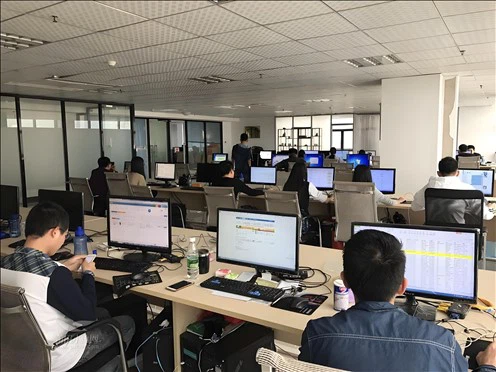
The Asia-Pacific region, led by China, currently dominates the wind energy supply chain. We bridge the gap between high-volume manufacturing and Western quality standards, providing a "Global-Local" supply model.
Our manufacturing processes adhere to International Standards including ISO 9001 and environmental management certifications. Every carbon fiber blade component undergoes rigorous Non-Destructive Testing (NDT).
With strategic logistics partners in Europe and North America, we ensure JIT (Just-In-Time) delivery and offer on-site technical consulting for blade structural integration.
As we look toward 2030, the carbon fiber industry is moving toward Circular Economy models and Thermoplastic Resins. These innovations allow for the recycling of carbon fiber blades at the end of their 25-year lifespan, solving one of the wind industry's biggest environmental hurdles.
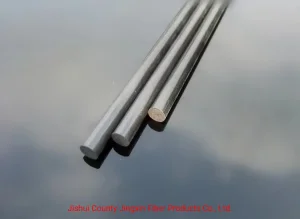
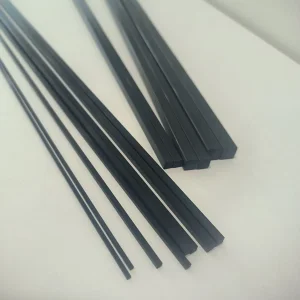
Standardizing pultruded carbon planks for spar caps to ensure consistent fiber alignment and higher structural integrity compared to manual layup.
Integrating fiber-optic sensors within the carbon fiber layers for real-time structural health monitoring (SHM) and predictive maintenance.
Developing blades with Vitrimer-based resins that can be dissolved, allowing 100% reclamation of the carbon fibers.
A: Carbon fiber is significantly stiffer and lighter. This allows for longer blades that can capture more energy at lower wind speeds while reducing the load on the turbine’s mechanical components.
A: We use high-precision CNC centers specifically calibrated for composites, ensuring tolerances within ±0.05mm. Every batch undergoes ultrasonic inspection to detect any internal delamination.
A: Yes. Our facility in Guangzhou is scaled for both rapid prototyping and high-volume mass production, supported by a robust raw material supply chain.
A: Prototyping typically takes 7-10 days, while bulk industrial orders range from 15-30 days depending on complexity and volume.
 RAXIS Fiber