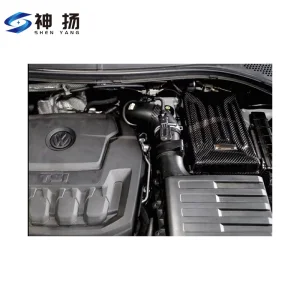
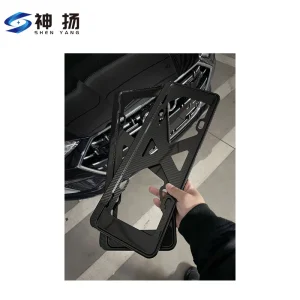
High-performance carbon fiber structural solutions tailored to the Portuguese maritime, automotive, and drone-tech development clusters.
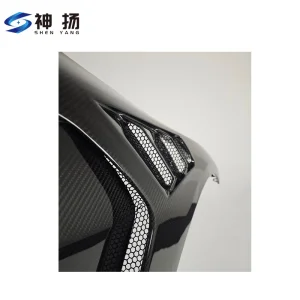
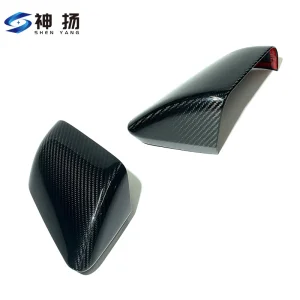
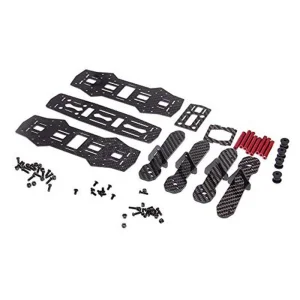
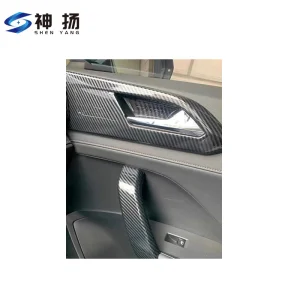
Lisbon is rapidly developing into an influential European technology and engineering hub, driven by maritime science, regional aerospace projects, automotive engineering cluster support (such as supply routes linked to Autoeuropa in Palmela), and the growth of autonomous marine systems and drone test centers. Carbon Fiber Reinforced Polymers (CFRP) have become essential in these industries. By using custom-molded carbon fiber parts, Lisbon-based developers can improve fuel efficiency in transport, enhance structural endurance in maritime environments, and increase payload capacity for unmanned aerial vehicles (UAVs).
As a global composites manufacturer with optimized production facilities in Guangzhou, RAXis Fiber Co., Ltd. bridges the gap between advanced manufacturing efficiency and local Portuguese engineering challenges. This paper details the structural capabilities, technological pathways, and global supply synergies that enable Lisbon engineers to implement high-performance custom composite designs.
"Integrating custom molded carbon fiber is not just about weight reduction; it is a structural redesign toward higher performance, thermal stability, and long-term durability in challenging marine and automotive environments."
With Lisbon's proximity to the Atlantic Ocean and its focus on the "Blue Economy," local research institutes and oceanography developers utilize carbon fiber molded components for deep-sea sensors, gliders, and marine surface drones. CFRP materials resist salt-water corrosion, making them suitable for long maritime deployments.
Lisbon's tech ecosystems host several drone start-ups developing logistics and surveillance aircraft. Molded carbon fiber structures provide high rigidity to withstand dynamic aerodynamic loads while maintaining light weight to maximize battery life and operational range.
Portugal’s automotive industry requires lightweight structural options. Lightweight CFRP brackets, body panel inserts, and custom enclosures help electric vehicle manufacturers offset battery weight, extending drive ranges without compromising crash safety.
Choosing the right material requires comparing specific performance attributes. Below is a structural comparison showing why carbon fiber composites are selected over metals for high-performance applications.
| Mechanical Property | Carbon Fiber (CFRP Epoxy) | Titanium (Grade 5) | Aluminium (6061-T6) |
|---|---|---|---|
| Density (g/cm³) | 1.55 – 1.80 | 4.43 | 2.70 |
| Tensile Strength (MPa) | 1200 – 2100 (Unidirectional) | 950 | 310 |
| Young's Modulus (GPa) | 135 – 220 | 114 | 68.9 |
| Corrosion Resistance | Outstanding (Non-Corrosive) | Excellent | Moderate (Requires coating) |
| Thermal Expansion (10⁻⁶/K) | -0.1 to 1.2 (Highly Stable) | 8.6 | 23.5 |
RAXis Fiber uses several molding processes based on the design requirements, production volume, and functional specifications of the component:
Guangzhou RAXis Fiber Co., Ltd. specializes in manufacturing carbon fiber sheets, tubes, and custom composite products, supplying lightweight structural solutions to industries worldwide. Based in Guangzhou, China, our business integrates research, development, production, and sales to offer advanced carbon fiber materials.
Our range includes carbon fiber sheets, tubes, plates, CNC-machined parts, and custom composite elements used in aerospace, automotive, drone manufacturing, sports equipment, and industrial setups. Focused on material quality and precision engineering, we verify that our products deliver high strength-to-weight ratios, corrosion resistance, and performance consistency.
Using modern production tooling and an experienced technical team, RAXis Fiber maintains quality control steps from raw material receipt through to final shipment inspection. We offer OEM and ODM support, including custom design help, prototyping, and volume production.
We aim to assist international clients by offering reliable delivery schedules, competitive pricing structures, and technical support. RAXis Fiber works to be a dependable supplier of composite solutions that support product performance and efficiency globally.
Using advanced CNC machining to deliver precise composite products customized for Portuguese industrial projects.
International manufacturing requires reliable logistics and supply systems. RAXis Fiber addresses these demands for Lisbon buyers by offering:
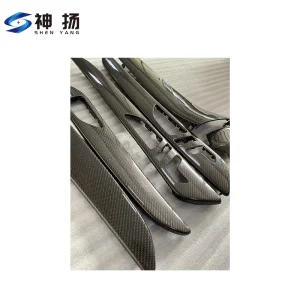
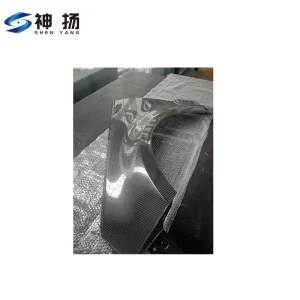
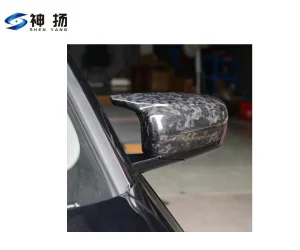
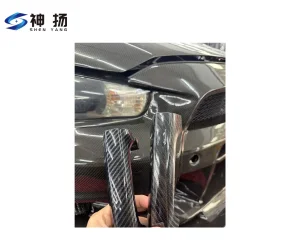
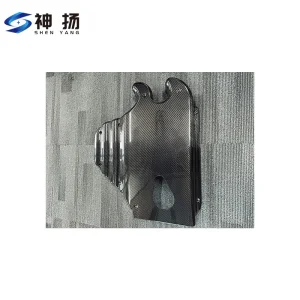
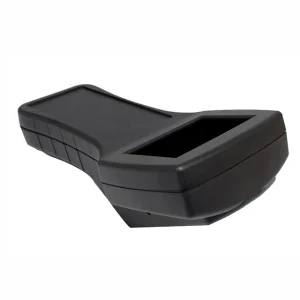
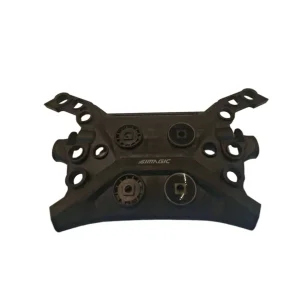
Explore our full line of industrial and structural CFRP molded products available for custom fabrication.
Answers to common structural design, prototyping, and logistics questions from our Lisbon and European engineering clients.
T300 carbon fiber is suitable for general structural parts (such as automotive brackets and interior shells) because it offers good tensile strength (approx. 3.5 GPa) and modulus (approx. 230 GPa) at a competitive cost. For aerospace, deep-sea exploration, or critical drone components, T700 or T800 fibers are selected because they offer higher tensile strength (4.9 to 5.5 GPa), providing improved weight reduction and stress resistance.
We control dimensional stability by calculating mold shrinkage margins during tool design. We use low-CTE (Coefficient of Thermal Expansion) metal molds (like steel or invar) and manage precise temperature ramp-ups and cool-downs during autoclave or compression cycles. This process maintains tight tolerances, which are confirmed through CMM inspection.
Yes. We integrate titanium, stainless steel, or brass threaded inserts through co-molding or post-mold bonding. For applications exposed to moisture or marine environments, we include isolating fiberglass plies (GFRP) between the carbon composite and metal inserts to prevent galvanic corrosion.
Custom mold development and initial prototype part validation typically take 15 to 25 days, depending on geometry complexity. Production lead times range between 20 and 35 days. Shipping to Lisbon via air freight takes 5 to 7 days, while ocean freight takes around 28 to 35 days, depending on shipment consolidation.
Yes, all raw materials, epoxy systems, and surface coatings we use comply with European REACH and RoHS regulations. We provide chemical compliance declarations and safety sheets upon request to support your regulatory requirements.
 RAXIS Fiber